
It's been a rough year. Here's how we're bouncing back
19 December 2018
2018 has been challenging for Tech in Asia. The risk we took didn't pay off, and it led to a restructuring and layoffs. But as the year comes to an end, I believe that not only did we survive, but we also bounced back stronger.
I'm writing this note to keep our subscribers updated and hopefully encourage fellow entrepreneurs to be honest with yourself, your team, and your shareholders, as well as to take swift and decisive action during times of trouble.
Start of 2018
With our latest round of funding, we kick-started 2018 full of optimism.
In June 2018, we grew our team to 125 (we are at about 80 today) so that we can fuel the many projects we wanted to do. The goal was to find a breakthrough that would bring Tech in Asia to greater heights. You could call it our shot at becoming a unicorn.
But by the end of June, there were signals that things weren't going our way. We couldn't meet our minimum projected figures, burn rate was at an all-time high, and our runway was thinning quickly.
To make matters worse, what used to be our "cash cow" didn't perform as expected.
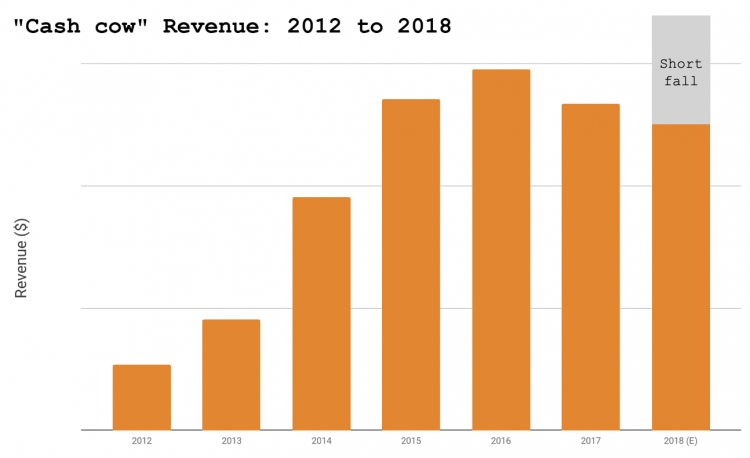
The company was also having internal conflicts and there was confusion. Directions weren't clear as the number of projects ballooned. I was failing as a CEO and had to make changes fast before things went out of control.
In July, we made a decisive move to stop funding seven projects and focus our resources on our core products: Media, Jobs, and Studios. In the process, we had to let go of many team members. A small handful didn't take the decision well and took steps to hurt the company and team.
Self-discovery and recovery
After close to 10 years of running Tech in Asia and going through the school of hard knocks, I thought I'd seen enough. I thought this was going to be just another setback to overcome.
I was so wrong.
The emotions were hard to process and my morale hit rock bottom. The negativity within me triggered some questions:
- Is this the end of Tech in Asia?
- Am I the right person to lead the company?
To get out of this vicious cycle, I started to read articles and watch talks about happiness. I also went out of the office to talk to fellow founders and shared my emotions and the company's data openly with them.
Going through this helped me to get back on my feet and to appreciate the little things in life. I have food to eat, a comfortable home, and most importantly a supportive family with an adorable new member.
At Tech in Asia, I'm working with smart people who hustle and believe in my ability to lead the company. After the restructuring, the entire team is laser-focused on revenue and subscribers. Burn is our enemy. The focus makes our work a lot clearer and more fun.
Bouncing back stronger
After one quarter, our overall burn rate went down significantly and our subscription businesses went better than expected - almost 10 times of our initial projections. Revenue from our Studios (advertising and consulting) continues to grow as well.
Without sharing sensitive company data, here are some charts to illustrate how we are turning things around (fingers crossed):
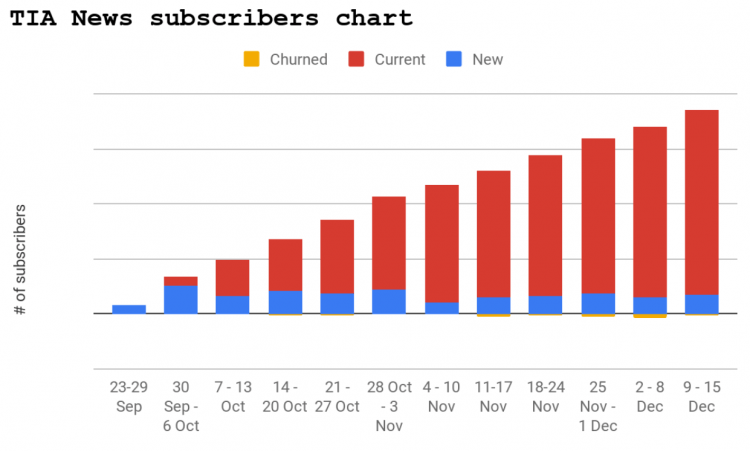
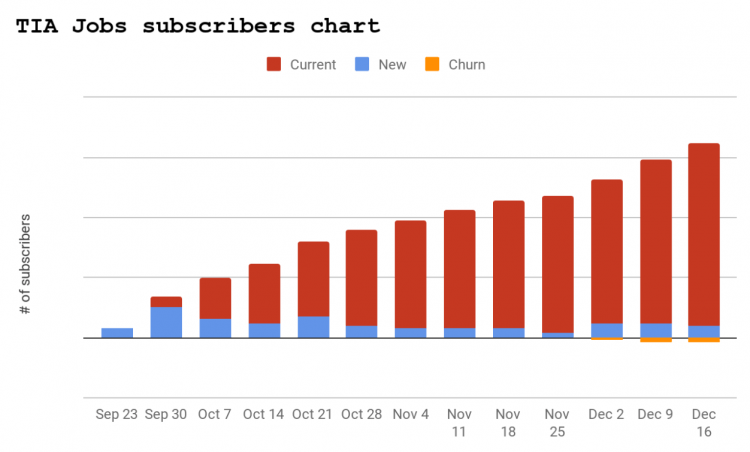
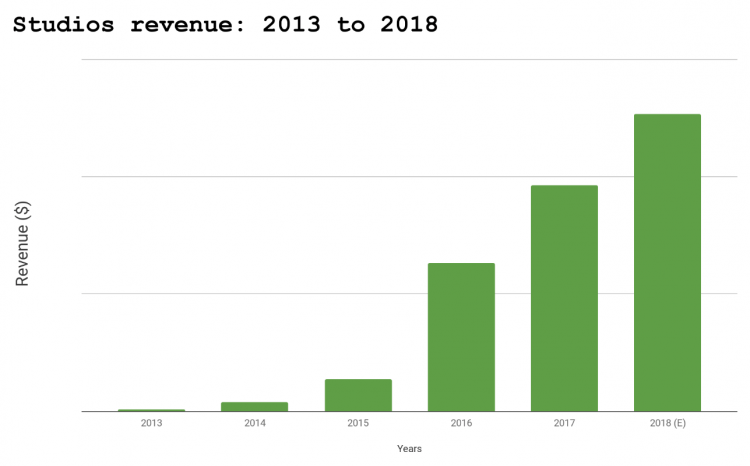
Of course, we aren't out of the woods yet and we hope to continue the momentum in 2019.
Reflecting on past events, here are five things I did to stay sane and high-performing in times of crisis:
1. Move fast and make the best (and hard) decisions. Don’t be in denial. The faster you acknowledge that your company is in trouble, the better. Then think carefully of the best solution and implement it swiftly. Often, the best solution isn’t the easiest. Don’t try to please everyone or you’ll end up with more disappointment.
2. Seek different perspectives from people. Be honest with yourself and others; don’t assume you have to handle problems alone. Talk to your family, colleagues, and shareholders. Talk to people who have went through what you are going through. It’s also healthy to let go of your emotions and vent your frustrations as long as you don’t hurt anyone else in the process.
3. Think positive. Accept reality but don’t beat yourself up too much. It’s too easy to get sucked into a vicious cycle of negativity. Ignore the naysayers who try to cast gloom and spread doom - remember, haters are gonna hate. Your team looks to you for guidance, so any negativity from you will affect them as well.
4. Be a wartime CEO. Fight. Read “Peacetime CEO/Wartime CEO.”
The Peacetime CEO builds scalable, high-volume recruiting machines. The Wartime CEO does that, but also builds HR organizations that can execute layoffs.
The Peacetime CEO spends time defining the culture. The Wartime CEO lets the war define the culture.
Don’t deviate and implement your plan ruthlessly. Your friends, users, and sometimes shareholders may not agree with your plan. They may think that’s the end of you. Don’t be affected. March on. Hustle. Think positive, exercise regularly, eat and sleep well, fight the good war, and keep sharing your emotions.
5. Learn from mistakes. Reflect on your actions. It’s easy to commit the same errors after you put out the initial fire. Discipline is needed here, so get your team to help you (add gatekeepers to slow down spending decisions, for example).
Thank you
I hope this update is useful.
On behalf of everyone at Tech in Asia, I sincerely thank you for being part of this roller coaster ride.
Your support has made it possible for us to operate and continue serving and building the startup and tech community in Asia.
Thank you! 🙏