
Tech in Asia is carbon neutral in time for Earth Day
22 April 2021
Update: As of December 2021, Tech in Asia is carbon neutral for the years 2011, 2012, 2013, 2019, 2020, 2021, and 2022.
This has been an internal company initiative over the last few months. We accounted¹ for and reduced what we could. For example, we optimized our website to make it more energy-efficient, achieving at least a 10% reduction in our carbon emissions.² Reduction is an ongoing process, and we will continue to optimize our products and operations to achieve both environmental and financial success.
Why are we doing this?
If you’re reading this, you’re likely in the top 10% by several standards: money, opportunity, security, or happiness. As such, you’re in a position to bring even more positive change to the world.
It’s especially true within the tech community, which is becoming wealthier and more powerful each day. Yet one of the most significant but hidden costs of this success is the damage to the environment as we operate our businesses. That’s why Earth, the biggest super app of all time, is deteriorating in plain sight.
We pride ourselves as visionaries, innovators, and disruptors, so I hope to see more founders and investors in the tech startup community tackle climate change or at least go carbon neutral.
It’s also the right thing to do for the next generation. We took their resources (and potentially their future), so we should take steps to fix things. Here’s one conversation with my kids that I’m trying to avoid:
“Daddy, the environment is in a mess. What have you done for us and the future generation?!”³
I believe the best way to sidestep or handle this conversation is to lead by example and be action-oriented.
Apart from doing good, there are exciting opportunities in climate tech, which is part of Tech in Asia’s editorial coverage. Though it hasn’t quite hit this part of the world just yet, funding for climate tech has been on the rise in the West.
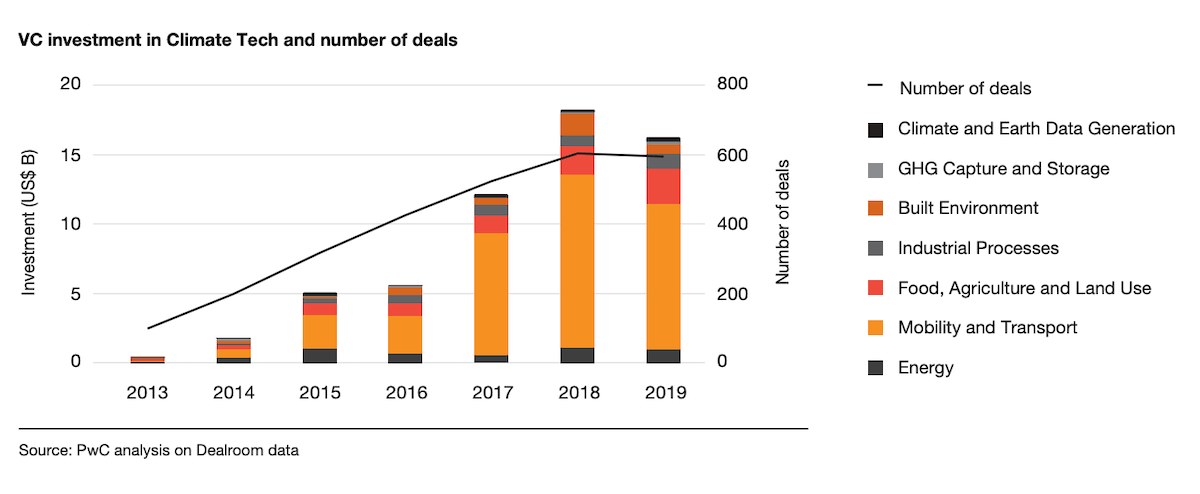
Our next steps
Going through the carbon accounting process helped us to better understand that large-scale physical events are huge carbon emitters.⁴ The Covid-19 pandemic has put a halt to our physical events, allowing us time to reflect and experiment with more efficient ways to conduct business networking. We’ve also made our conferences virtual, and thankfully, they’ve been doing well. (Do check out the events we’ve been running here.)
What we can’t reduce, we offset. We’ve partnered with Cool Effect to back green projects in India, Indonesia, and China, and in the process, achieve carbon neutrality⁵ for the years 2019, 2020, and 2021.
We will keep clearing up the legacy carbon emission that we’ve put into the atmosphere since 2011 by continuing our reduction efforts and offsetting the rest by backing meaningful green projects.
We will also explore new ways to get the community to participate in building a net-zero world. And whatever business decision we make - launch products, hold events, etc. - we will update our carbon accounting spreadsheet to reflect the true cost of our operations.
We also intend to increase our coverage of climate tech, training the spotlight on the innovation and business opportunities that are emerging in this space.
We couldn’t have achieved all of the above without the support and love from the community – a big thanks to you!
We hope this post gets you thinking a little more about the environment.⁶ Happy Earth Day!
¹ We did carbon accounting internally by following the GHG protocol. It’s a pretty tedious process, and there’s surely room for improvement. What matters most is to get started, and we’re glad we did it. We also received great advice from friends at Temasek and BCG Digital Ventures during the process. Thank you, Dominic, Rui, Robin, and Gen for the patience and help!
² Websitecarbon.com can be wonky, but it’s the only public tool available. Based on internal data, our page load speed pre- and post-home page optimization - released on Feb. 24, 2021 - dropped by 12.30%. Other small reductions we made include saving electricity (we asked our kind cleaning aunties to not switch on the lights until we are in). Our pivot to virtual events has also significantly decreased our carbon footprint, as shown on our year-on-year carbon footprint chart.
³ Hello, Diana and Laura! Daddy is doing this for you and your future loved ones. And this is just the first step - it definitely won't be the last.
⁴ You can find out more about our carbon emission sources here. Feel free to make a copy and use this as your carbon accounting template.
⁵ It’s easier for a small setup like ours - we have about 100 team members - to achieve carbon neutrality. If all startups or small and medium-sized enterprises do the same, the collective impact will be huge.
⁶ Inspired? Noice. Here are some readings to understand more about climate change.
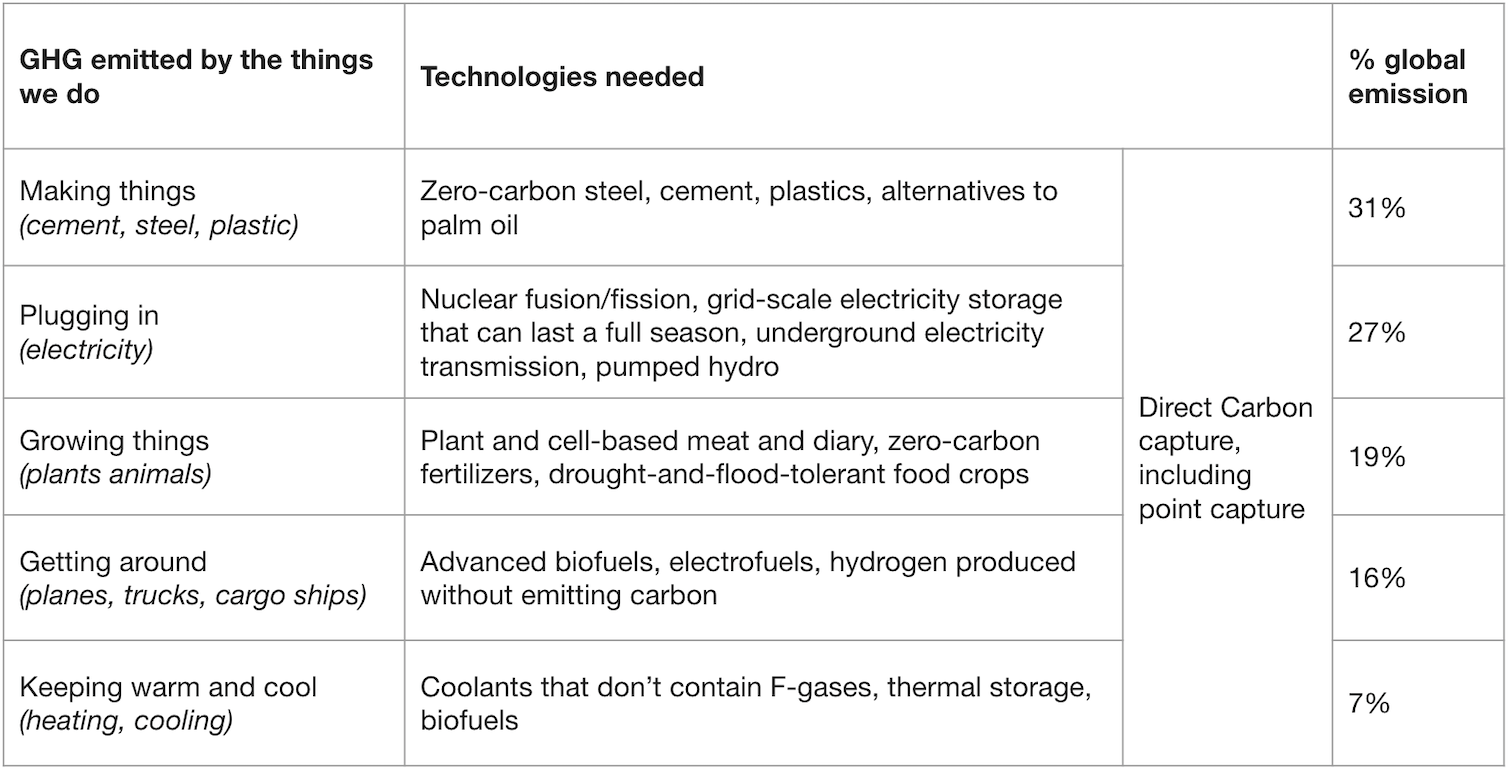
The best I’ve read so far is How to Avoid a Climate Disaster: The Solutions We Have and the Breakthroughs We Need by Bill Gates. Tackling a complex topic like climate change can be daunting, but he turned it into a neat, data-driven framework (see below).
The voluntary carbon credit space could offer good business opportunities as more companies set out to become carbon neutral. You should also read this paper to learn more about the potential for natural climate solutions in Southeast Asia.
If you’re more of a video person, Netflix and David Attenborough’s documentary A Life on Our Planet or this TED talk called “This country isn’t just carbon neutral – It’s carbon negative” are both pretty inspiring.